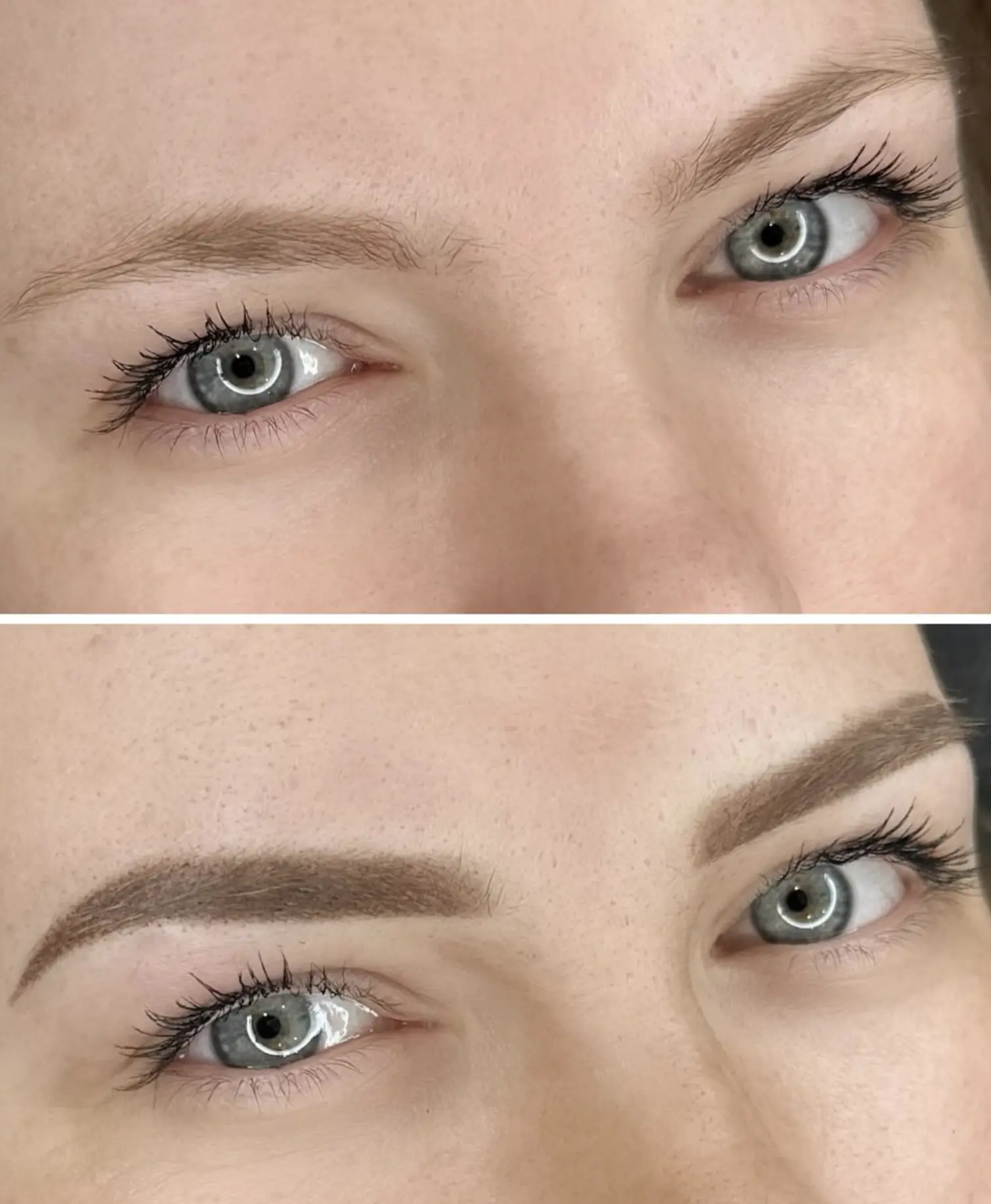
Can you do permanent eyebrows at home? If you’ve ever typed this into Google, chances are you’re sick of constantly pencilling, tinting or shaping your brows every morning. I get it; we’ve all had moments where the idea of DIY cosmetic tattooing seems tempting—especially after binge watching YouTube tutorials. But let’s get real about what it really means to tattoo your brows, the real results you can expect and why this treatment might be better left to the professionals.
Contents
- 1 The Reality Check: Permanent Makeup at Home
- 2 DIY Kits vs Professional Equipment: What’s the Big Deal?
- 3 Common DIY Brow Tattoo Problems
- 4 Why Professional Cosmetic Tattooing Matters
- 5 What Does a Professional Session Look Like?
- 6 Aftercare Guide: The Real Work Starts at Home
- 7 Real Talk: DIY Myths Busted
- 8 The Bottom Line: Your Face Deserves the Best
- 9 FAQ
The Reality Check: Permanent Makeup at Home
Thinking of tattooing your eyebrows at home? You might think it’s the same as dyeing your hair or doing your own nails—but permanent makeup is a whole different ball game. Cosmetic tattooing uses special tattoo tools, tattoo ink, pigments and techniques that require professional training, especially in Melbourne, where the regulations are strict for beauty practices and skin penetration procedures.
DIY Kits vs Professional Equipment: What’s the Big Deal?
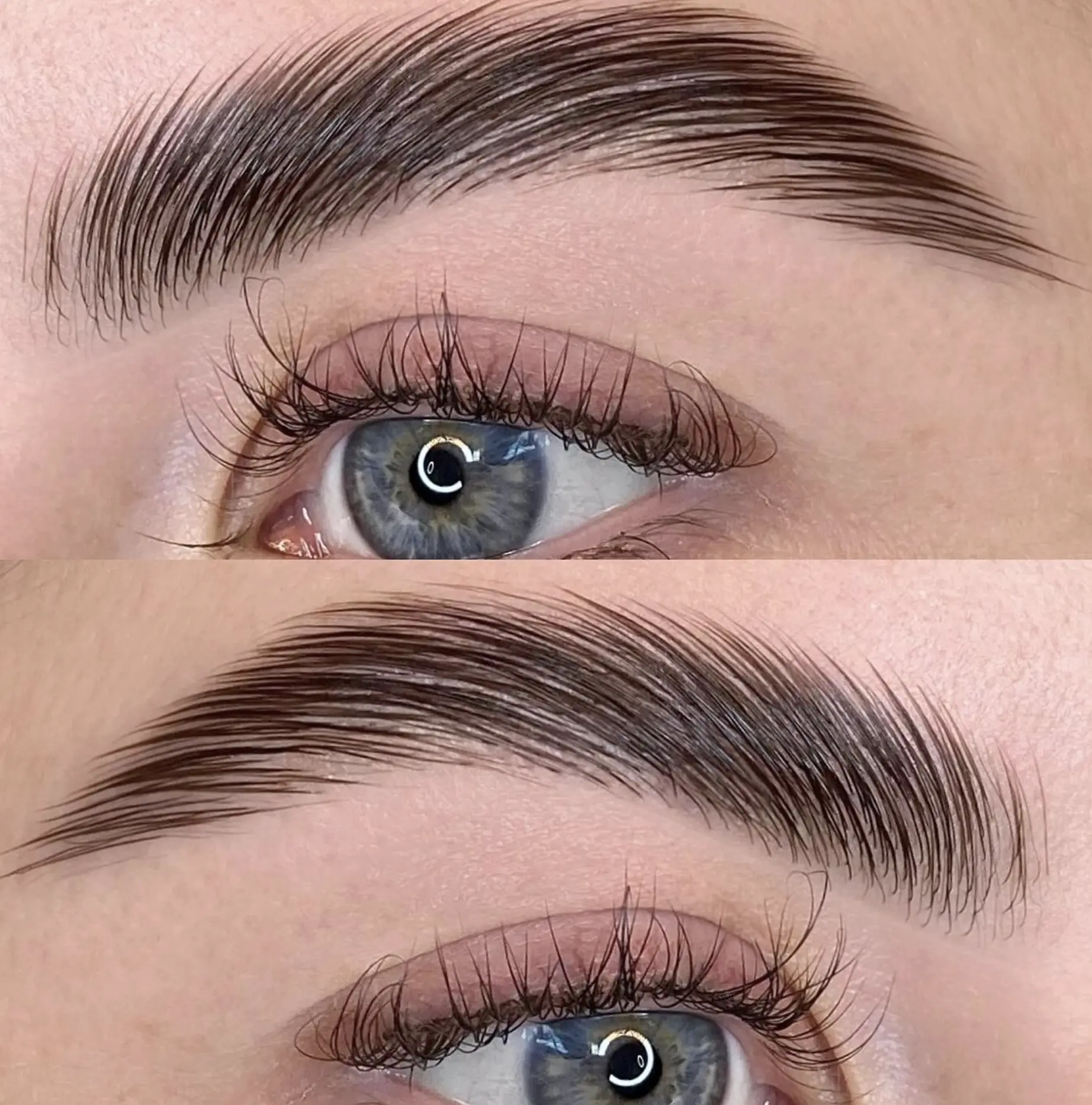
DIY eyebrow tattoo kits have flooded the market, promising salon-quality results. Sounds easy, right? But here’s the thing—these kits use lower grade pigments, microblading tools and unregulated devices which can lead to unpredictable results, infection control issues and even harm like allergic reactions.
Common DIY Brow Tattoo Problems
At Face Figurati Cosmetic Tattoo Studio in Melbourne, I’ve fixed many home-based eyebrow tattooing disasters. One client came in with severely asymmetrical brows from improper pigment application and no brow mapping. Another had a colour that turned bluish green after healing—a classic sign of cheap, unprofessional pigments and no skin tone assessment.
The emotional toll of these experiences is huge, and fixing these issues, including laser removal and chemical lightening with hydrogen peroxide or baking soda mixtures, can cost more than a professional treatment from the start.
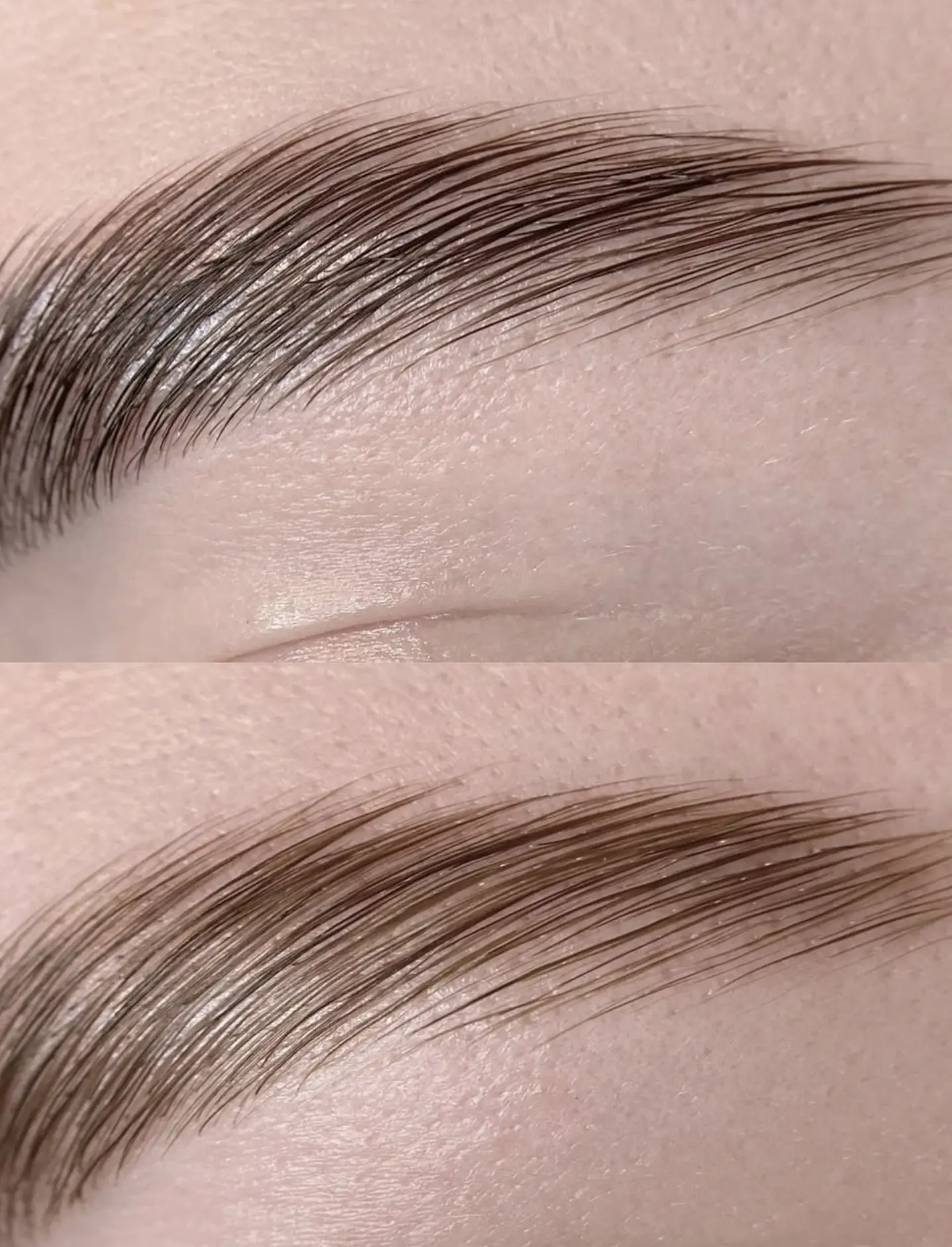
I’ve also seen clients who tried microblading eyebrows at home and ended up with patchy, unnatural-looking brows from incorrect technique.
Why Professional Cosmetic Tattooing Matters
Expertise and Precision: It’s More Than Just Ink
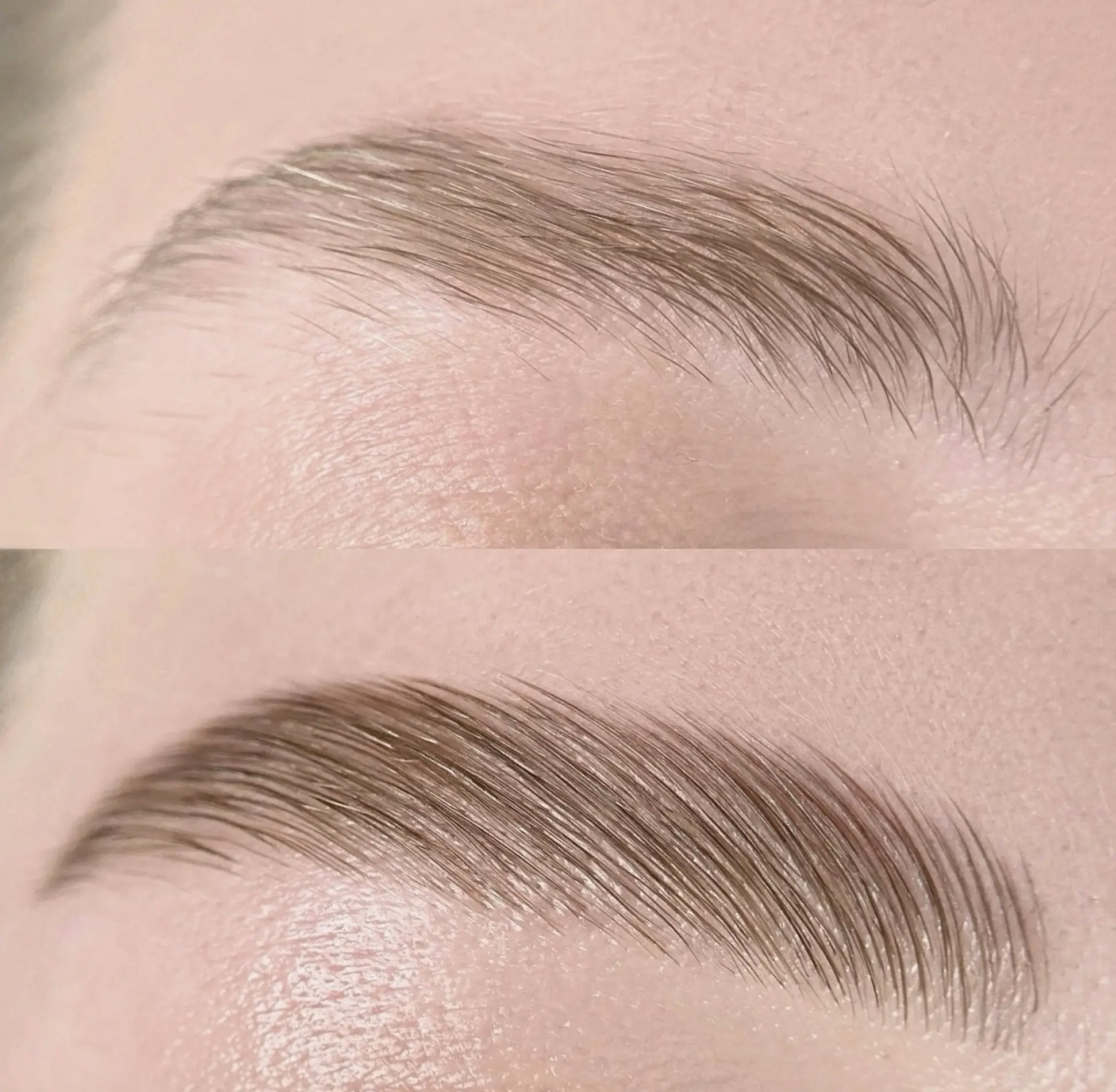
Cosmetic tattooing isn’t just about slapping ink on your skin; it’s an art. At Face Figurati, each stroke is thoughtfully placed to enhance your natural brow hair shape, your skin tone (from fair to deeper complexions) and even adapt to Melbourne’s seasons. With nearly a decade of hands-on experience, I’ve seen how the smallest detail can make a big difference.
Whether you’re after powder brows for a soft makeup finish or detailed microblading for realistic hair strokes, a professional makes all the difference.
Safety, Hygiene and Regulatory Compliance
When you’re dealing with permanent makeup, hygiene isn’t optional – it’s essential. Melbourne regulations require strict standards for cosmetic tattoo studios, including sterilisation of equipment, single-use needles and proper handling of topical anaesthetics and numbing cream. DIY kits can never guarantee this level of hygiene and risk infections and complications.
What Does a Professional Session Look Like?
| Step | Description | Timeline |
|---|---|---|
| Initial Consultation | Personalised brow assessment, allergy checks, pigment choice, and patch test. | 30-60 minutes |
| Brow Mapping | Precision mapping to enhance natural facial symmetry and ideal brow shape. | 15-30 minutes |
| Tattoo Procedure | Application using digital machine, microblading, or semi-permanent eyebrow tattoo methods, like powder brows. | 1-2 hours |
| Immediate Aftercare | Guidance provided for optimal healing and results, including pigment mask and plastic wrap protection. | Post-treatment |
Aftercare Guide: The Real Work Starts at Home
Great brows don’t end when you leave the studio. Here’s your Melbourne-approved aftercare checklist:
- Keep brows dry for at least 7 days.
- Avoid direct sun exposure—always wear a hat outdoors.
- Skip intense workouts to prevent excessive sweating.
- No makeup or skincare products containing glycolic acid, hydroxy acids or lemon juice on brows during initial healing.
- Avoid sea salt or saline solution baths.
- Use prescribed aftercare ointment with hyaluronic acid as directed.
Proper aftercare ensures your eyebrow tattoo heals beautifully, preserving the professional results and maintaining colour integrity.
Real Talk: DIY Myths Busted
Myth #1: “Home Tattoo Kits Are Easy to Use”
Trust me, I’ve seen the results—uneven shapes, patchy colour and unwanted scarring are just the tip of the iceberg.
Myth #2: “It’s Just Like Microblading!”
Professional microblading involves ultra-fine, hand-held microblading products wielded by a skilled microblading artist trained for years. DIY kits can never match this expertise.
Myth #3: “You Can Always Fix It Later”
Correction treatments, including glycolic acid peels and laser treatment, are complex and far more expensive than initial professional treatment. Why risk it?
The Bottom Line: Your Face Deserves the Best
Permanent eyebrows at home might seem convenient initially but the risk of mistakes, infections, and dissatisfaction is high. Professional cosmetic tattooing ensures not just safety but artistry, precision and results tailored to your unique skin type and skincare routine.

FAQ
How much does professional eyebrow tattooing cost in Melbourne?
$500–$900 depending on technique and expertise.
Is it painful?
It’s manageable. At Face Figurati, we apply numbing cream to minimise discomfort.
How long does it last?
With proper care, results can last 12–24 months before needing a colour boost.
Are there any risks?
Minimal when performed by a licensed professional using quality materials.
Can I remove eyebrow tattoos if I change my mind?
Yes, but removal treatments including laser removal, chemical lightening and other procedures are lengthy, expensive and may not completely remove all traces.