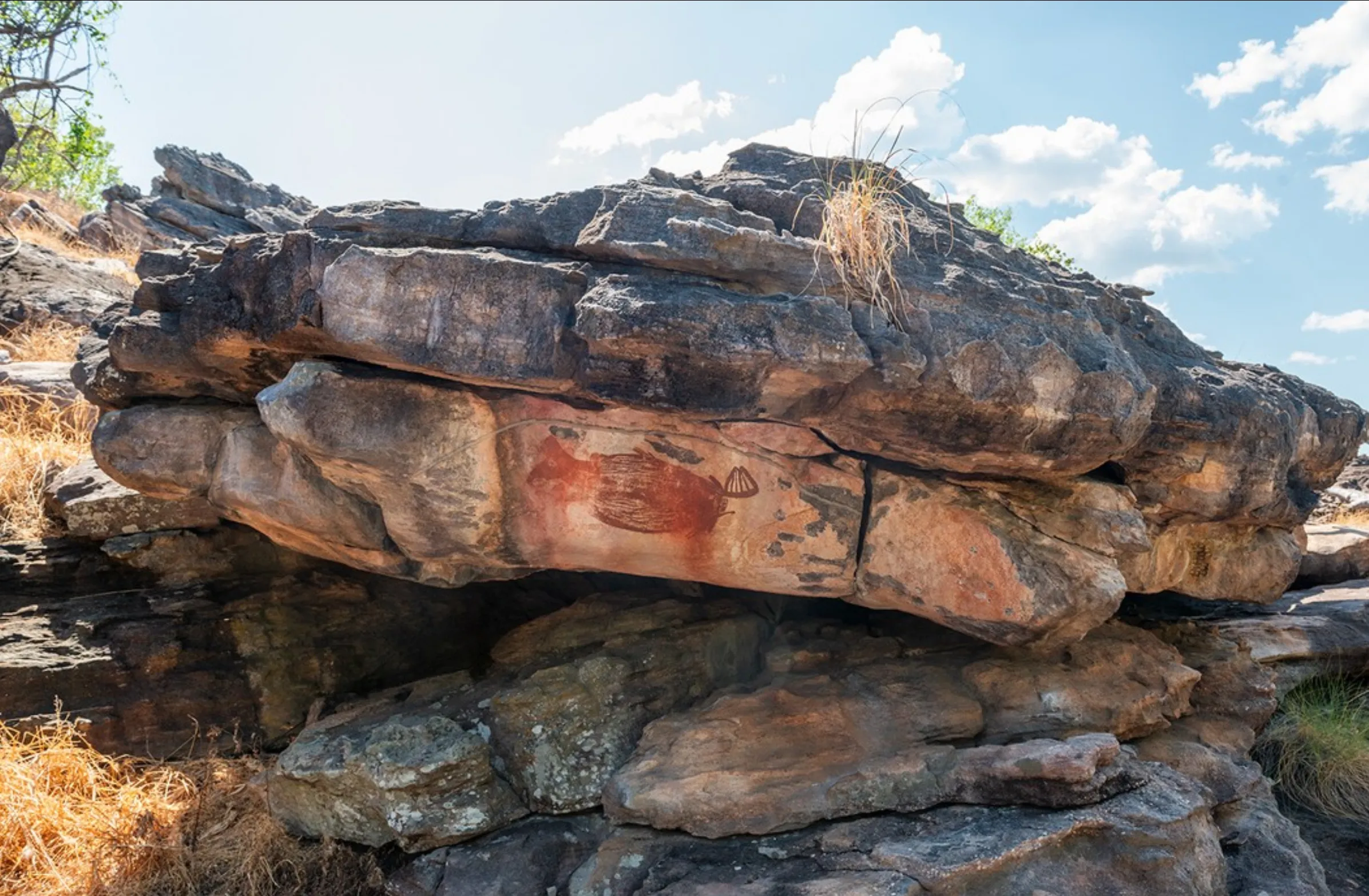
Kakadu National Park is one of the most beautiful natural and cultural landscapes in the world. But how old is Kakadu National Park? Well, it depends on whether we look at its official establishment, its geological age or its long history of Indigenous occupation.
From ancient rock formations and Aboriginal land claims to mining camps and the pastoral industry, Kakadu’s history is as varied as its stunning landscape. Let’s look at the park’s rich past, including its rock art, rock shelters, cultural sites and permanent settlements that have been around for thousands of years.
Official Age of Kakadu National Park
Kakadu National Park was declared on 5 April 1979 and is managed by Parks Australia with the Traditional Owners. But the land has been home to Aboriginal people for at least 65,000 years.
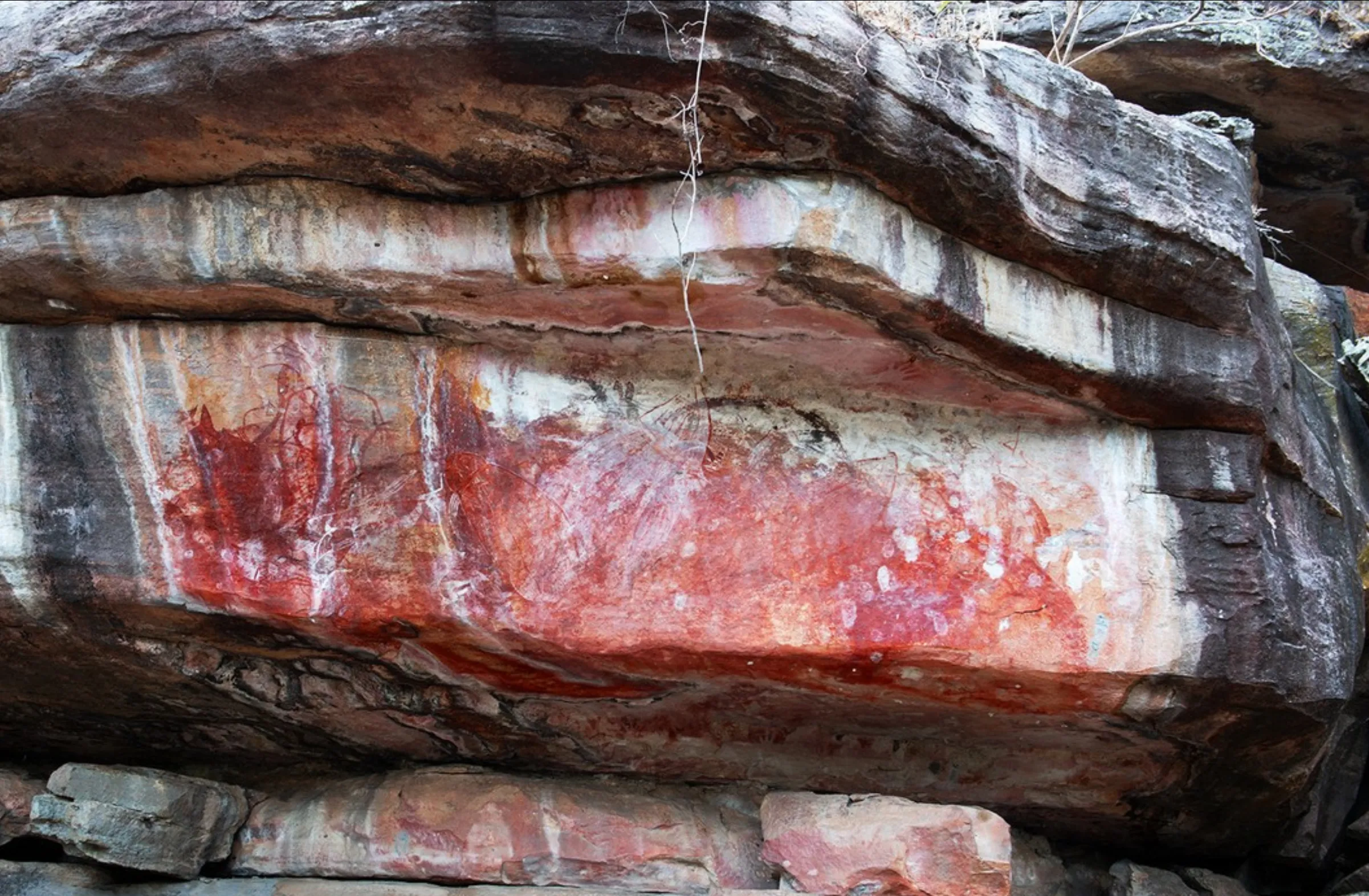
Since its establishment, the park has grown multiple times and now covers nearly 20,000 square kilometres of wilderness. Its intact landscape includes lowland forests, gorges, rock outcrops, river banks and fragile floodplains and is a UNESCO World Heritage Site for both natural and cultural values.
Geological Age
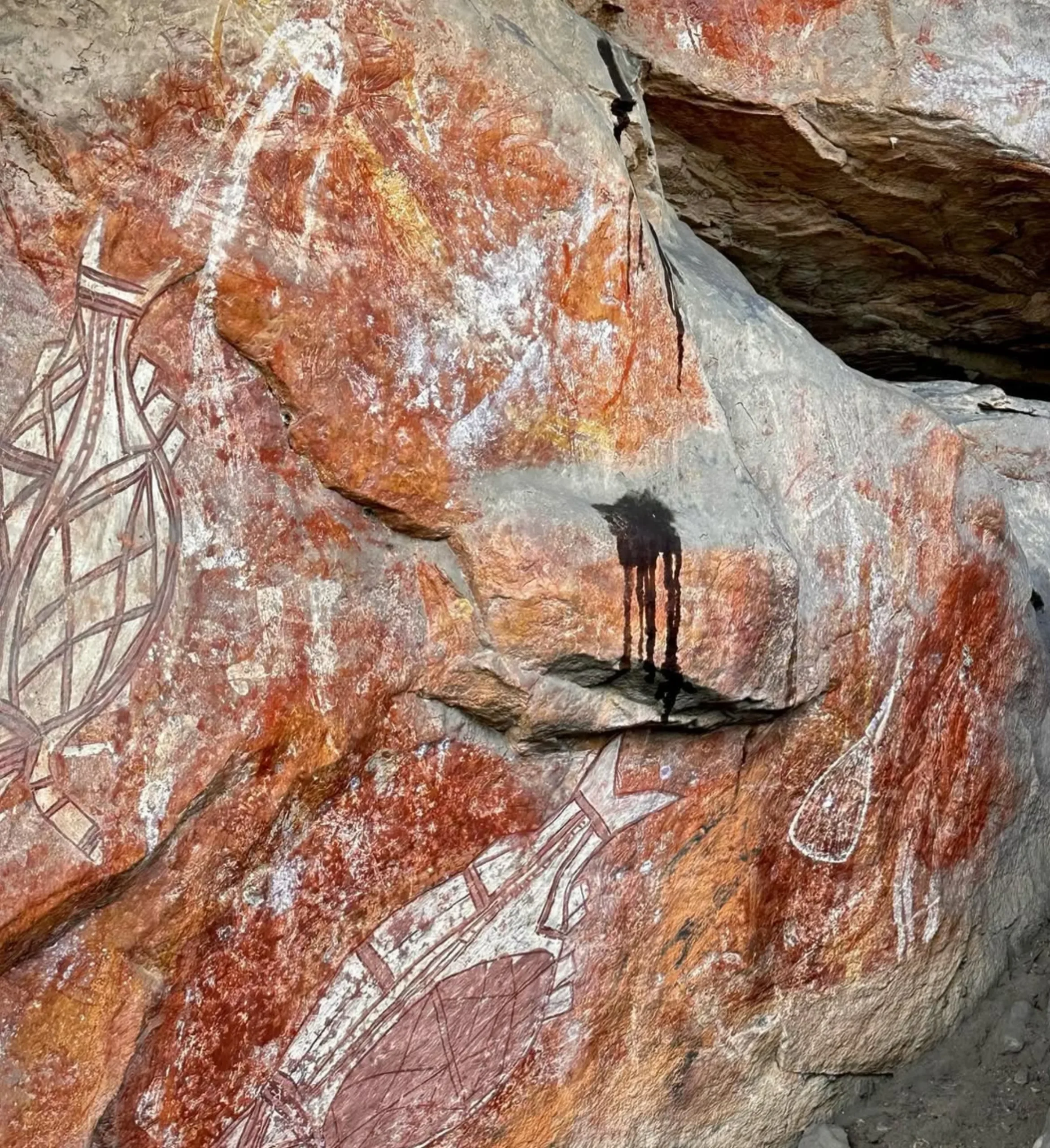
While Kakadu has only been a national park for a few decades, its geology goes back over 2.5 billion years. Some of the key geological features include:
- Arnhem Land Plateau – A rock overhang and escarpment that has been around for millions of years.
- Nourlangie Rock & Ubirr – These sites have amazing paintings, rock art styles and art sites created by Aboriginal people over thousands of years.
- Jim Jim Falls & Twin Falls – Iconic waterfalls formed over millions of years.
- Magela Creek, Jim Jim Creek & Barramundi Creek – Waterways that have shaped the landscape over time.
Indigenous History: 65,000+ Years of Connection
Kakadu is one of the oldest places on earth. The Bininj/Mungguy people have been here for over 65,000 years and it’s a living cultural landscape. Their knowledge of the land is evident in:
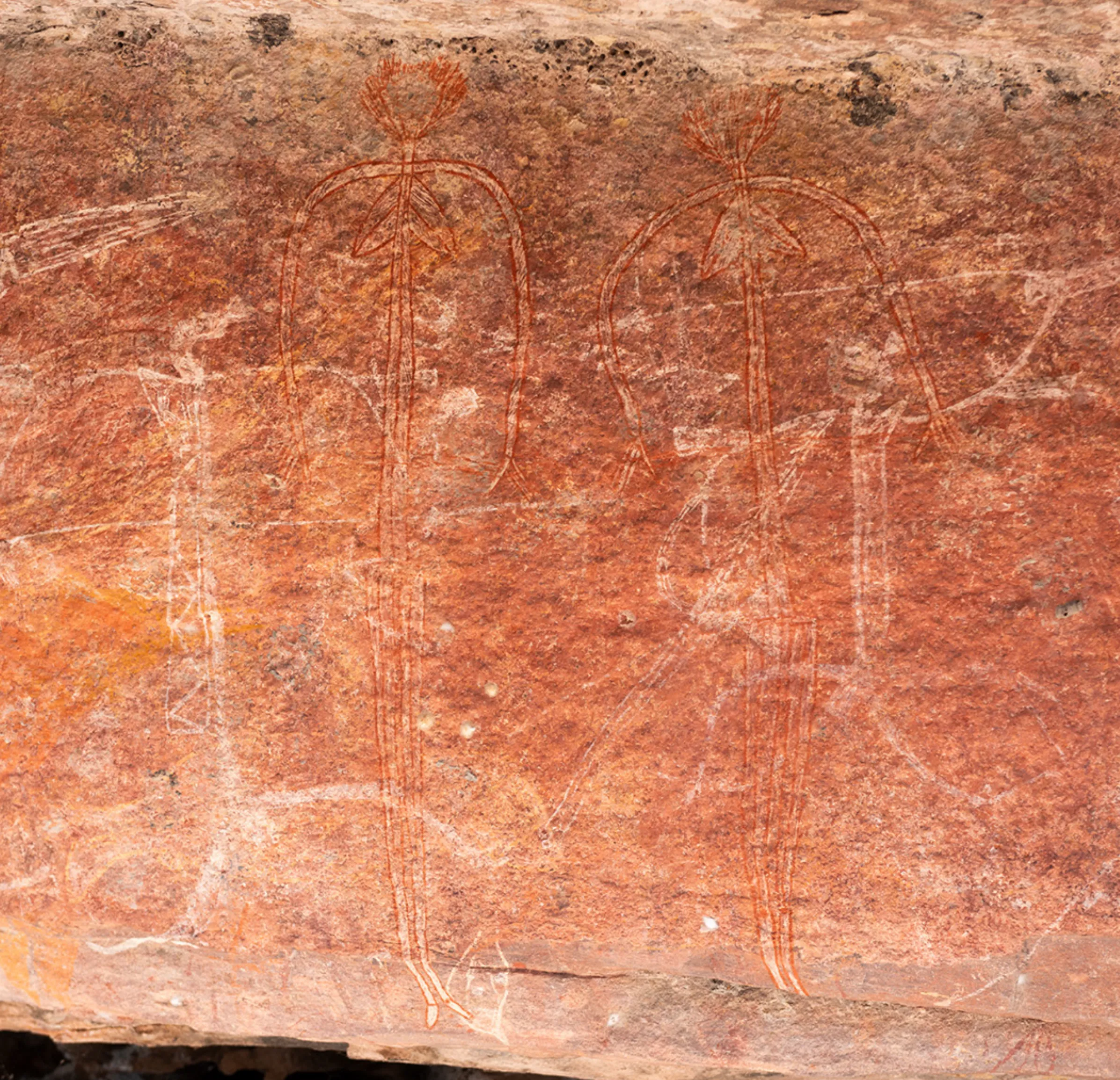
- Rock art and cultural sites – Stories of Dreamtime, hunting and land management.
- Wet season hunting – Traditional practices that have sustained communities through extreme weather.
- Traditional fire management – Controlled burning of grasses and vegetation to maintain ecosystems.
- Hydrological features and breeding grounds – For birds, fish and mammals.
Kakadu’s big trees, aerial roots, paper bark trees and nutrient-rich soils have supported life for thousands of years. Indigenous communities have thrived in its pockets of fresh food, patches of freshwater mangroves and varieties of mangroves for thousands of years.
Wildlife & Biodiversity in Kakadu
Kakadu National Park is full of water and it’s a wildlife paradise. Some of the key species found in the park are:
- Mammal species – Agile Wallabies, brown bandicoots and Northern quolls.
- Reptiles – Freshwater crocodiles, estuarine crocodiles and wounded crocodiles.
- Bird species – Egrets, kingfishers and brolgas.
- Native fish species & freshwater fish – In the billabongs and creeks.
The park also has varieties of water lilies which is food and shelter for aquatic life.
The Role of Crocodiles in Kakadu
Kakadu is famous for its saltwater crocodiles and freshwater crocodiles. Historically crocodile hunting and crocodile shooting were common, especially during the 19th and early 20th century when the buffalo hunting industry and mining booms were in Kakadu. Today crocodiles are protected and you can see them at Cahills Crossing, Yellow Water Billabong and South Alligator River.
The Influence of British Settlements & Mining
19th settlements moved onto Aboriginal land. Small-scale gold mining was happening in areas like Mundogie Hill and Pine Creek and the land use conflicts began.
20th uranium mines and uranium deposits sparked the conservation vs development debate. The inquiry into land use and mining led to Kakadu being declared a national park.
Despite the challenges of the past,, the park is still an important area for Aboriginal land claims and cultural preservation.
Tourism & Modern Day Kakadu
Today, Kakadu offers services for visitors, from scenic flights over Jim Jim Falls and Twin Falls to Yellow Water Cruises through the floodplains. You can visit Muirella Park, camping sites, safari camps, and even a dairy farm that was here in the early days of settlement. For those short on time, a Kakadu day trip from Darwin is a great way to experience the highlights of this incredible region.
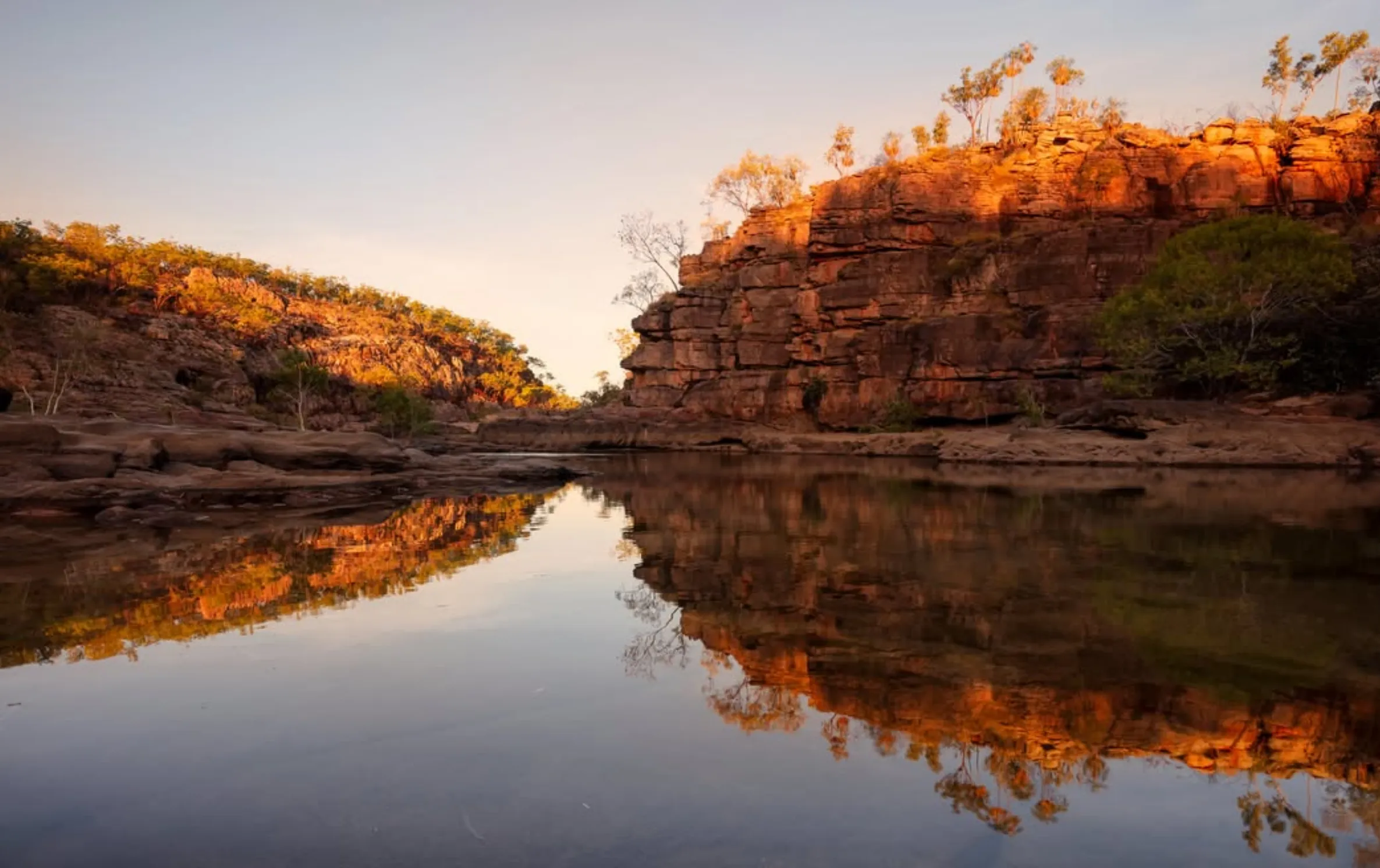
With an annual rainfall ranging from dry to extreme heat, the small-scale park has both a dry season and a wet season, each offering unique experiences. The temperature can get very hot, so body temperature regulation and hydration are essential for visitors. Kakadu day trips provide guided experiences, ensuring a safe and enjoyable visit to this stunning natural wonder.
Things to do:
- Hike Koolpin Gorge and the southern hills
- Explore Alligator Rivers and South Alligator
- Visit Anbangbang Billabong with rock shelters and rock art
- See frog species and ground layer vegetation in the moist gorges
The movie Crocodile Dundee also helped to make Kakadu famous so it’s a must-see for nature lovers and adventure seekers.
Conclusion
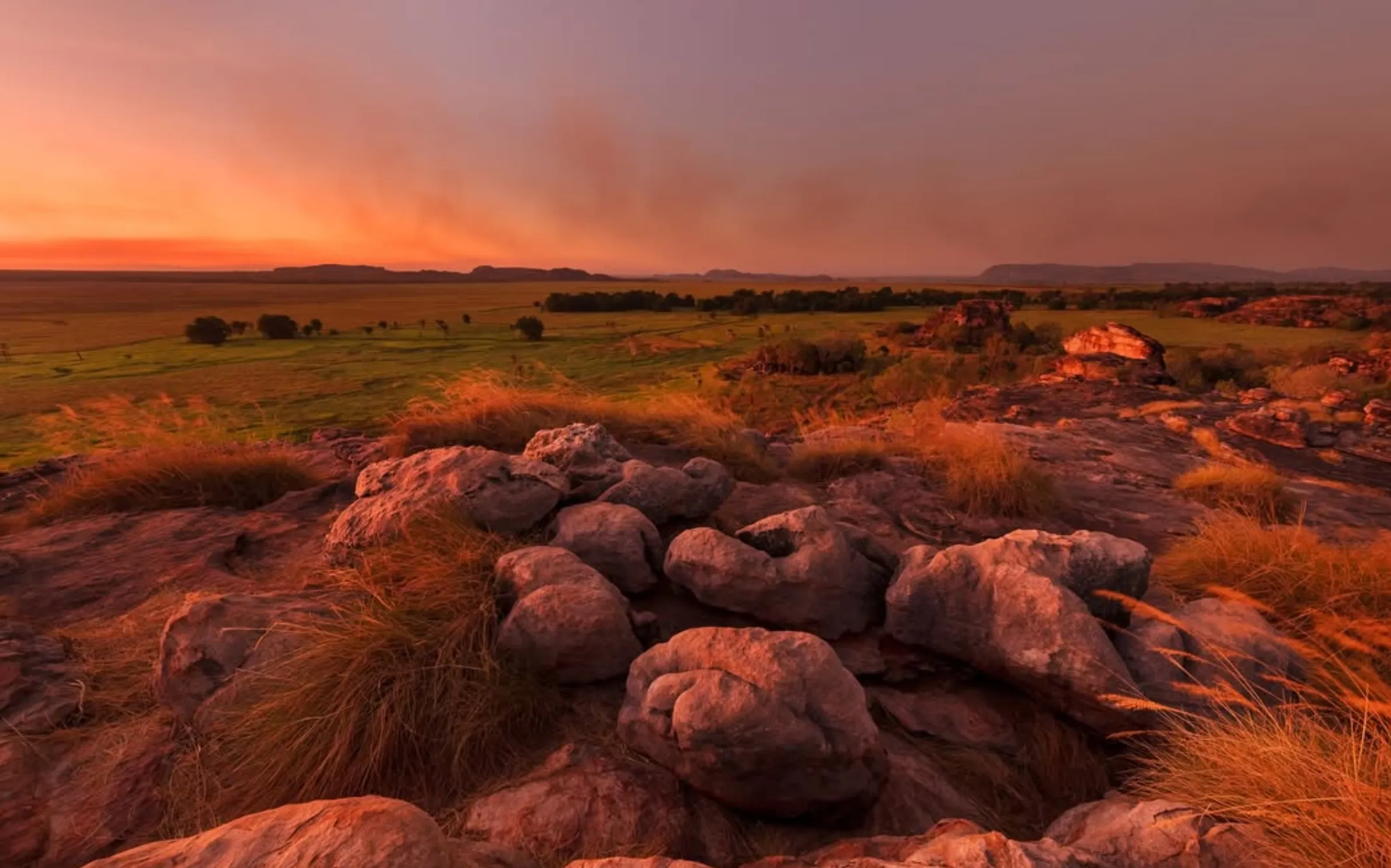
So, how old is Kakadu National Park?
- Officially: 45 years
- Geologically: over 2.5 billion years
- Culturally: at least 65,000 years
Kakadu’s stunning landscape, intact ecosystem, rich Indigenous heritage and unique wildlife make it one of the most amazing places in Australia. Whether you’re into scenic flights, waterfalls or cultural sites, Kakadu is timeless. Book a Kakadu tours with Wildlife Tours for an unforgettable experience.
FAQ
How old is Kakadu National Park?
Kakadu National Park was declared on 5 April 1979 which is 45 years ago.
How long have Aboriginal people been in Kakadu?
Indigenous Australians have been in Kakadu for at least 65,000 years. That’s one of the longest continuously inhabited places on earth.
What’s the best time to visit Kakadu?
The best time to visit is during the dry season (May to October) when the weather is better for outdoor activities. But the wet season (November to April) is great for waterfalls and lush landscapes.
What are the must-see the best attractions?
Some must-see attractions are Jim Jim Falls, Twin Falls, Ubirr, Nourlangie Rock, Cahills Crossing and Yellow Water Billabong
Are there tours available?
Yes! There are many tours Kakadu available including scenic flights, boat cruises and 4WD adventures. Wildlife Tours are great.